Service 4WD Jeep Grand Cherokee (How to Troubleshoot)
Service 4WD on a Jeep Grand Cherokee is a critical warning that affects traction, stability, and off-road capability. This guide breaks down what the 4×4 systems are, why the Service 4WD message can appear, and how to diagnose and fix the most common problems. Follow the step by step checks, know when to seek professional help, and keep your Grand Cherokee performing at its best.
Quick summary
- Identify your 4×4 system family: Quadra-Trac I, Quadra-Trac II, and Quadra-Drive II to understand the baseline capabilities of your model.
- The Service 4WD (SRC 4WD) warning indicates a detectable fault in the 4×4 subsystem that requires attention.
- Check transfer case and differential fluids for level, contamination, and leaks; address leaks immediately.
- Inspect driveshafts, boots, and U joints for wear, damage, or loss of lubrication.
- Scan for fault codes with an OBD-II scanner; inspect wheel speed sensors and ABS integration.
- Verify Selec-Terrain operation and note if software updates are available or required.
- Inspect electrical connections, fuses, and wiring related to the 4×4 system.
- For frequent towing or off roading, adhere to maintenance intervals that cover 4×4 components and service the transfer case and differentials as needed.
- If the warning persists after basic checks, tow to a dealer or qualified shop rather than driving aggressively with a fault.
- After repairs, confirm the fault is cleared and the system cycles through 4×4 modes correctly before resuming normal driving.
4×4 system architecture: what powers your Grand Cherokee
Your Grand Cherokee may use one of several 4×4 configurations. The major family includes Quadra-Trac I, Quadra-Trac II, and Quadra-Drive II. These systems cover a range of traction and handling scenarios from everyday on road driving to challenging off road conditions. In some configurations the system operates as a full time 4×4 with a transfer case that distributes torque between axles to maintain grip across varying surfaces. Understanding which system your vehicle uses helps you interpret warnings and schedule maintenance appropriately. For a high level overview of how Jeep explains 4×4 architectures, see the official 4×4 page from the manufacturer.
Key concept to keep in mind: the transfer case is the heart of the 4×4 drivetrain. It controls when and how torque is sent to the front and rear axles, and in some systems it can operate with electronic intervention to optimize traction. Faults in sensors, actuators, or fluids can disrupt this balance and trigger a warning.
The Service 4WD warning explained
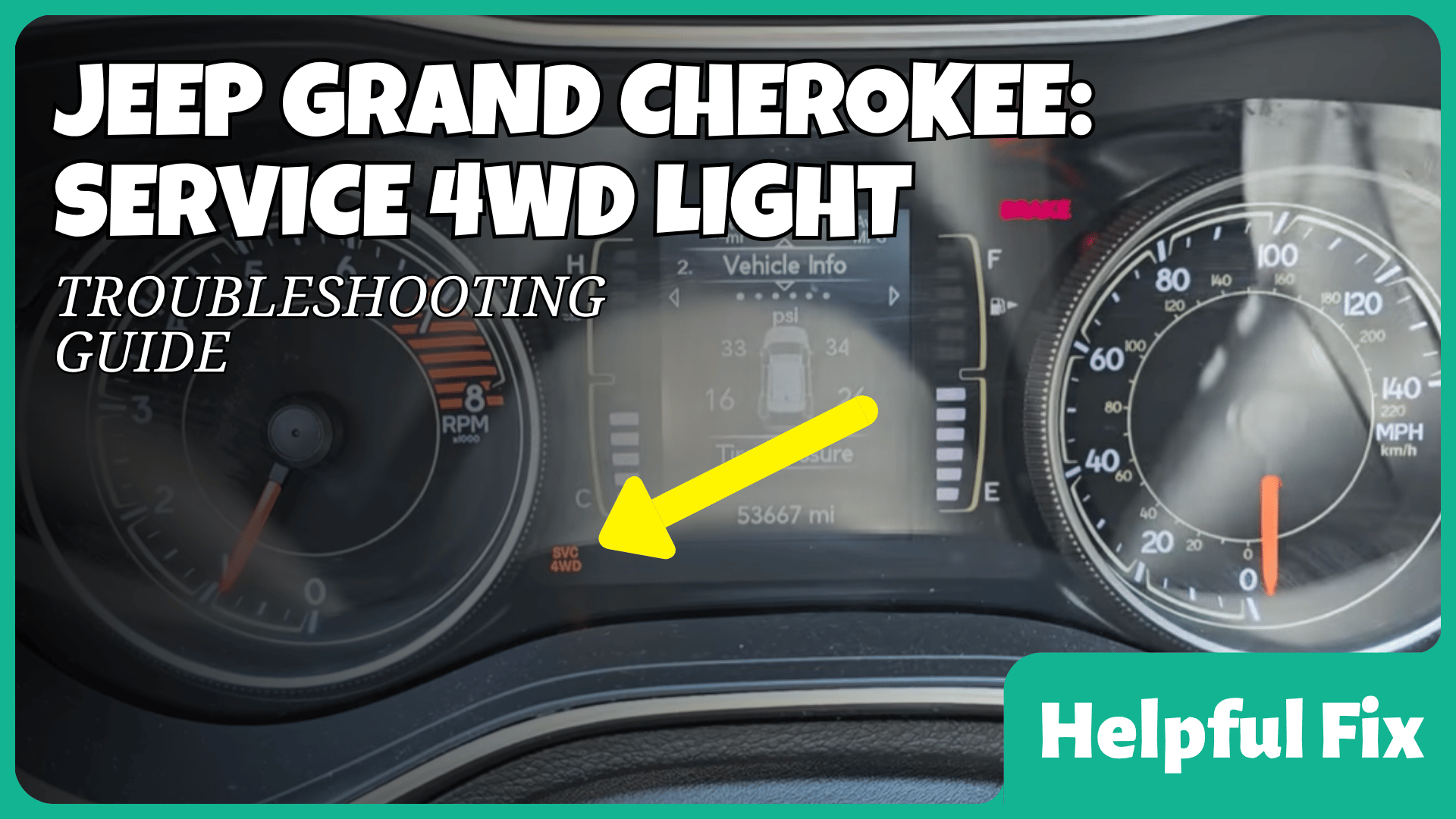
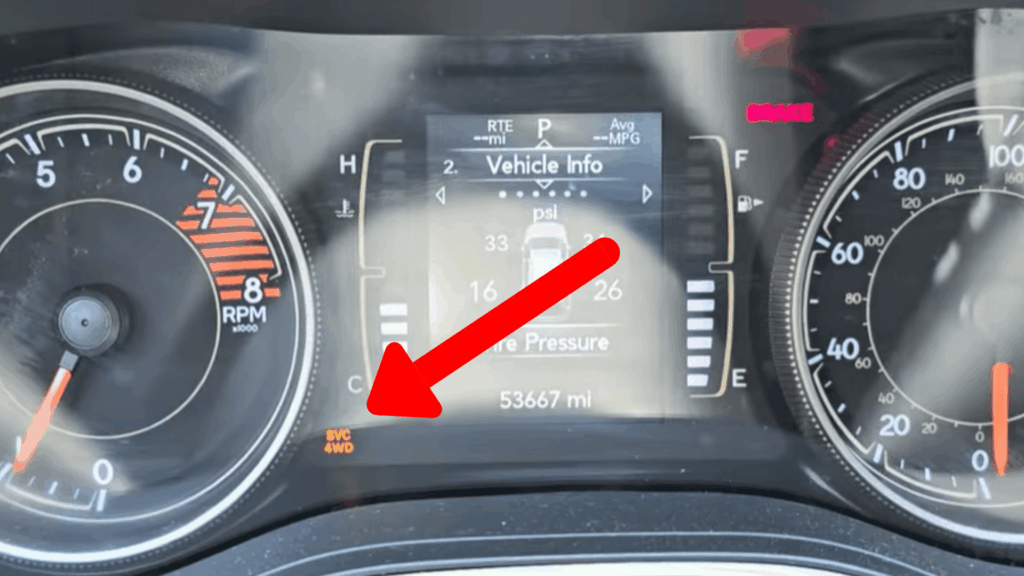
The Service 4WD message appears when the vehicle detects a fault that could affect 4×4 operation. It can be triggered by a wide range of issues, from simple sensor glitches to fluid leaks or failed actuators. When you see this warning drive safely to a secure location, then begin diagnostics. Do not ignore a persistent warning light or code, as delays can lead to more serious drivetrain damage.
Common triggers include sensor faults, communication errors within the 4×4 control module, low fluid levels, and mechanical binding within the transfer case or differentials. The warning is designed to prompt immediate attention, not to imply you must stop driving immediately in all cases. Use your best judgment based on how the vehicle behaves after the warning appears.
Transfer case and differential fluid and seals: checks you can perform
Fluid health and seal integrity are foundational to 4×4 reliability. Contaminated or low fluids can cause slipping, overheating, or faulty engagement. You should inspect and service these fluids as part of routine maintenance or when a warning arises.
- Inspect fluid levels and condition. Check the transfer case fluid and both differentials for level, color, and moisture at the seals. Look for dark, gritty fluid, metallic smell, or shimmering debris which signals wear or contamination.
- Look for leaks. Inspect under the vehicle for fresh leaks around the transfer case, front and rear differentials, and driveshaft seals. Any leak requires prompt repair and refilling to proper spec.
- Top up or replace fluids. If low, fill with the manufacturer approved fluid. If fluid is degraded or contaminated, plan a full drain, flush, and refill per the service manual or dealer guidance.
- Assess service intervals. Routine intervals for 4×4 components include inspecting transfer case and differential seals, especially if you tow or off-road. Follow the schedule in your vehicle’s maintenance plan and adjust for operating conditions.
Wheel speed sensors and electronics: symptoms and steps
Wheel speed sensors feed data to the 4×4 control module and ABS system. If a sensor reports irregular data, the system may disengage or refuse to engage 4×4 properly. Fault codes from the ABS/ECU can illuminate the Service 4WD warning.
- Symptoms to watch. Intermittent engagement or disengagement of 4×4, ABS warning lights, or inconsistent traction control behavior.
- Diagnostic steps. Use an OBD-II scanner to pull fault codes related to wheel speed sensors and ABS circuits. Inspect sensor wiring for corrosion or loose connectors at wheel hubs and near the differential.
- Fix options. Clean or replace faulty sensors, repair wiring harnesses, and ensure connectors are seated. If codes persist after sensor service, pursue further module diagnostics at a shop.
Transfer case actuator and shift motor: why they fail and how to test
The transfer case uses an actuator or motor to engage different drive modes. A failing actuator can prevent proper 4×4 engagement or cause stuck in one mode. Symptoms include delayed or no response when selecting 4×4 modes or strange noises when shifting modes.
- Testing approach. Confirm the actuator receives proper power and ground. Listen for a soft clicking or mechanical movement when changing modes. If there is no movement or the system reports faults, the actuator or linkage may be faulty.
- What to do. Replace the faulty actuator or repair the linkage. After replacement, clear codes and verify the system cycles through all modes smoothly on a safe surface.
Selec-Terrain software and calibration issues
Selec-Terrain is the software that controls how traction decisions are made in various conditions. Software glitches, outdated calibration, or corrupted data can trigger erroneous warnings or incorrect mode engagement. Ensuring up to date software and calibration can resolve many issues.
- Check for updates. Verify if a software update or calibration reset is available for your model year. Updates can improve communication between the ECU and 4×4 components.
- Diagnostic steps. Read fault codes related to the drivetrain control module, review freeze-frame data, and perform a re-initialization of the 4×4 system if the service tech recommends it.
- What if problems persist. If software repair does not fix the warning, focus on hardware checks (sensors, actuators, fluids) and consult a technician for deeper diagnostics.
Driveshafts, U joints, boots and mechanical wear
A worn or damaged driveshaft, U joints, or CV joints can create vibration, clunking, or loss of 4×4 engagement. Boots torn or grease leakage increases wear and reduces efficiency.
- Inspect driveshafts and boots. Look for cracks, tears, or missing grease in the driveshaft boots. Check for excessive play at the joints.
- Listen for noises. Thumps, clunks, or clicking during acceleration or deceleration are signs of joint wear.
- Repair plan. Replace worn U joints, repair or replace damaged driveshafts, and relubricate components as required by the vehicle’s service manual.
Electrical system and wiring faults
Electrical gremlins can surface as intermittent faults that trigger the Service 4WD warning without obvious mechanical issues. Corroded grounds, damaged wiring and loose connectors are common culprits.
- Audit wiring and connectors. Inspect connectors at the transfer case, control module, wheel speed sensors, and ABS units for corrosion or loose pins.
- Check fuses and relays. Verify the 4×4 related fuses are intact and seating properly. Replace any blown fuse with the correct rating.
- What to do next. If wiring appears sound, have a professional test the 4×4 control module for faults and perform a controlled discharge of electrical systems as needed.
Maintenance and proactive service planning
Proactive maintenance reduces the likelihood of a surprise Service 4WD warning. Basic inspections and scheduled service support reliability across the 4×4 drivetrain, especially if you tow, mud, snow, or traverse rough terrain regularly. Maintenance intervals can vary by model year and specific system, but common milestones guide the schedule. For guidance on typical service and maintenance intervals, consult a dealer or the maintenance literature from reputable sources.
Key intervals you may encounter include inspecting 4×4 boots and driveshafts around 24 months or 20,000 to 24,000 miles, and servicing the transfer case and differentials around 36 months or 30,000 to 36,000 miles if you tow or off-road frequently. Adhere to your owner’s manual and local service advisories for exact figures. Maintenance schedules provide model specific guidance and are a practical baseline to plan proactive care.
In addition, the official 4×4 overview explains how the systems operate and why certain diagnostics are needed when warnings appear. Regular software checks ensure Selec-Terrain and 4×4 control modules stay aligned with the hardware they manage.
How to reset the Service 4WD warning after repair
Resetting the warning is not a substitute for fixing the underlying fault. Once the fault is repaired, clear the codes using an OBD-II scanner or the showroom diagnostic tools used by technicians. If the warning reappears after a reset, re-run diagnostics to identify a persistent fault. Do not drive aggressively with a known 4×4 fault; dangerous traction conditions can occur, especially in slick or uneven surfaces.
When to seek professional help
If you observe any of the following, contact a dealership or a trained mechanic promptly:
- Persistent Service 4WD warning after basic checks and fluid service.
- Loss of 4×4 engagement or abnormal shifting sounds when selecting modes.
- Visible fluid leaks around the transfer case or differentials.
- Abnormal vibrations, clunks, or locked wheel behavior while driving.
- Electrical symptoms like intermittent warning lights or ABS/traction control faults accompanying 4×4 messages.
Frequently Asked Questions
What does the Service 4WD warning mean on a Jeep Grand Cherokee?
It means the 4×4 system has detected a fault that could affect traction, stability, or drive mode engagement. A diagnostic check is required to identify the specific fault and guide repairs.
Which 4×4 systems are used in Grand Cherokee models?
Grand Cherokee models use several 4×4 configurations, including Quadra-Trac I, Quadra-Trac II, and Quadra-Drive II. These systems differ in how they distribute torque and engage 4×4 drive modes. For a clear breakdown, see the manufacturer’s overview of 4×4 systems.
How can I diagnose 4×4 faults at home?
Begin with a reliable OBD-II scan to pull drivetrain fault codes. Inspect wheel speed sensor connectors, check for fluid leaks around the transfer case and differentials, and visually inspect driveshafts and boots for damage. If codes point to a specific component, address that item first before testing drive engagement again.
Should I drive a Grand Cherokee with the Service 4WD warning active?
If the vehicle feels unstable or the warning is accompanied by unusual noises or a lack of engagement, pull over safely and avoid driving long distances. Have the vehicle towed to a qualified shop for diagnosis. A faulty 4×4 system can cause unsafe handling in adverse conditions.
Can software updates fix a 4×4 problem?
Yes. Selec-Terrain software and other drivetrain control modules may require updates to correct calibration or communication issues. Check for updates with a dealer or service center and apply them as recommended.
What maintenance should I perform to prevent 4×4 problems?
Regularly inspect 4×4 fluids, seals, driveshafts, and boots. Follow the manufacturer’s maintenance schedule for 4×4 components, especially if you tow or drive off-road frequently. Proactive service reduces the risk of unexpected failures and keeps the system reliable.
Is a failed transfer case repair expensive?
Repair costs vary by model year and the extent of the failure. Replacing an actuator, seals, or a faulty sensor is typically less costly than a full transfer case rebuild. A professional diagnosis provides a precise estimate and recommended course of action.